Taiwan Independence Platform: DPP's Predicament
China Times Editorial, May 24, 2026
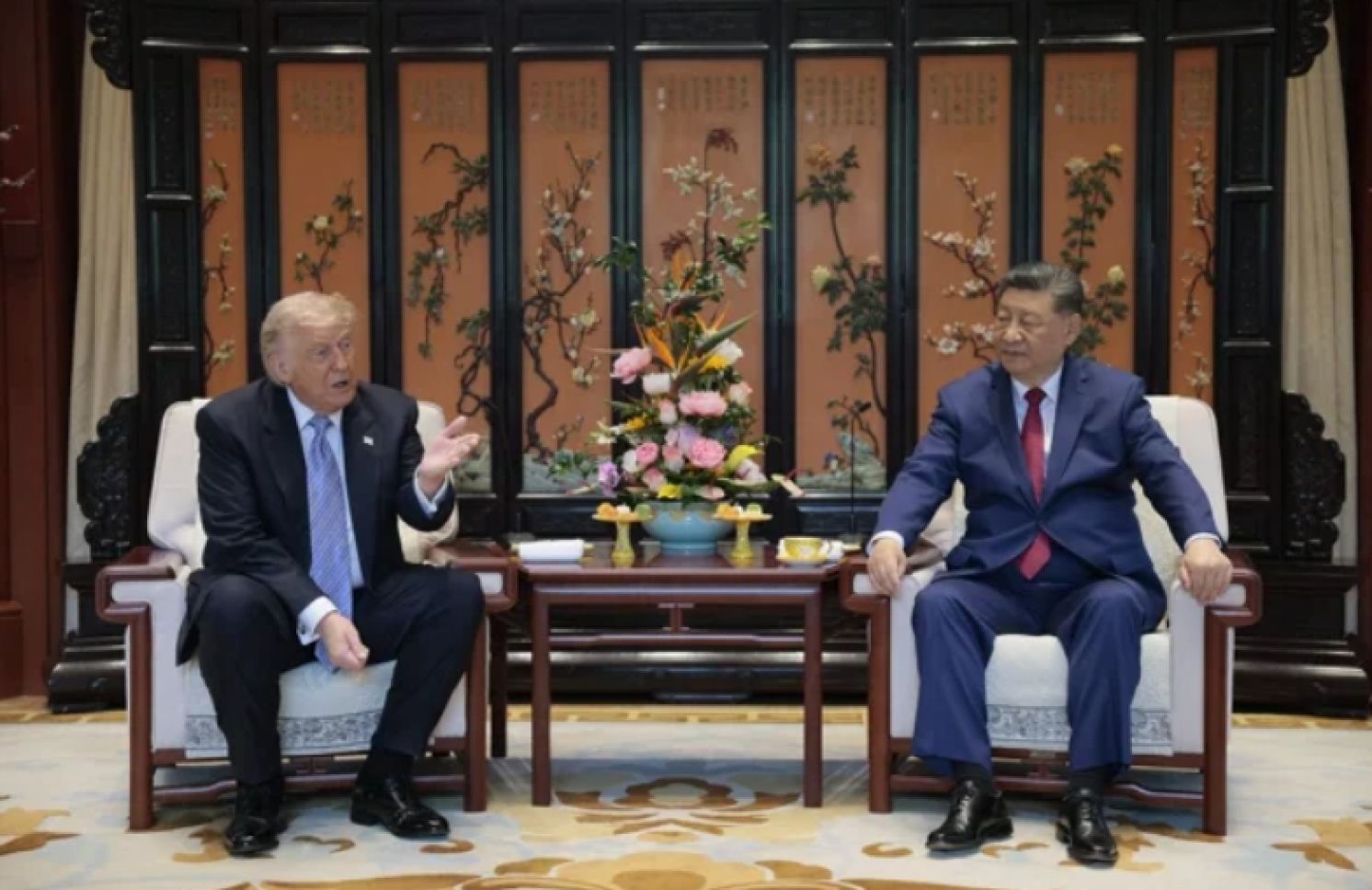
Following the meeting between President Donald Trump of the United States and Chinese President Xi Jinping, while the Department of State declared that its “policy towards Taiwan remains unchanged,” the attitudes of Mr. Trump and Secretary of State Marco Rubio towards Taiwan have arguably changed. The Democratic Progressive Party (DPP) has consequently fallen into a strategic dilemma, while Taiwan’s society, regardless of political affiliation, has become increasingly anxious and uneasy, with signs of shifting public opinion blocs emerging.
Whether to abolish the DPP’s Taiwan independence party platform is an old issue. The DPP has always relied on the Resolution on Taiwan’s Future to deftly avoid the matter. However, after the Trump-Xi meeting, Kuomintang (KMT) political figures repeatedly raised the question of whether the Taiwan independence party platform should be abolished, while the DPP’s response appeared awkward and disorganized. Even President Lai Ching-te himself defended the issue twice in one day—first defending Taiwan independence, then later arguing that “there is no Taiwan independence issue,” demonstrating that Taiwan independence itself has become a major issue in Taiwan’s current development.
Over the past decade, from former President Tsai Ing-wen to President Lai, the DPP’s political direction has been very clear: under the pressure of mainland China’s aggressive expansion, “resist China to protect Taiwan” is the only path to survival, while democratic allies such as the United States, Europe, and Japan serve as Taiwan’s security backing. Within this discourse, Taiwan independence did not necessarily mean actual independence, but rather became a political symbol and a form of values-based identity, serving as the DPP’s ideological banner for consolidating supporters.
However, international realities have begun colliding with this narrative. After meeting Mr. Xi, Mr. Trump stated that he “does not want anyone to push for Taiwan independence simply because they believe the United States supports them,” and also said he was unwilling to fight “a war 9,500 miles away.” Regarding arms sales to Taiwan, regardless of how the government attempts to “spin” the matter, the U.S. postponement of the US$14 billion arms sales package is already a fact. The reason is simple: “arms sales are an important bargaining chip.”
President Trump has plainly told Taiwan that American support for Taiwan does not mean support for Taiwan independence, nor does it mean a willingness to bear the costs of war in the Taiwan Strait. The suspension of the arms sales package was a response to Mr. Xi’s concerns. These three points are clear and direct, effectively discrediting the DPP’s past strategy of seeking independence by relying on the United States. One can easily imagine the shock this caused within the pro-independence camp.
This anxiety within the pro-independence camp has caused unease in the DPP regarding whether to abolish the party’s Taiwan independence platform. In this context, President Lai, long dubbed a “pragmatic worker for Taiwan independence,” now espouses positions like there is no Taiwan independence issue; the “Republic of China and People’s Republic of China are not subordinate to each other; as well as the need to defend the R.O.C. status quo. To some extent, this indicates that he recognizes that the United States neither welcomes nor supports escalating risks in the Taiwan Strait.
While people in Taiwan may not necessarily support unification, they do not want war either. A recent poll by My Formosa E-Newsletter asked whether respondents would accept “peaceful unification, one country two systems, becoming a Taiwan Province of China” if it could avoid war. The result showed that 22.4 percent were willing to accept it. Numerous long-term polls also indicate that the proportion of people who “distrust the United States” has increased, support for extended military conscription has declined, support for nationwide defense remains relatively low, and the proportion favoring reduced cross-strait tensions and maintaining exchanges has risen. These trends reflect a growing public inclination toward avoiding war.
If the DPP continues its high-intensity anti-China rhetoric, then it will increasingly clash with society’s “war-avoidance psychology,” which could become electorally disadvantageous. Yet if the party adjusts its direction, it must confront pressure from the pro-independence camp, creating a contradiction: downplaying the language of Taiwan independence while not daring to address its Taiwan independence platform; emphasizing peace and stability while simultaneously maintaining strong anti-China positions. This contradiction is precisely the DPP’s strategic dilemma, and it will deepen.
As U.S.-China relations gradually move towards “competition without losing control,” and as U.S. policy towards Taiwan becomes more pragmatic, public anxiety will deepen, and expectations for reopening the door to cross-strait exchanges will continue to grow.
From: https://www.chinatimes.com/opinion/20260524002370-262101?chdtv